Neglected Heritage to Global Tourism Hub: Palamu Division Holds Immense Potential

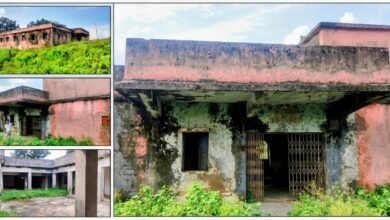
 SANJAY PANDEY : The Palamu division of Jharkhand is home to a remarkable blend of natural beauty and historical heritage, offering tourism potential comparable to some of India’s most popular destinations. Despite possessing numerous scenic and historic sites, the region remains largely underdeveloped as a tourist destination, highlighting an urgent need for infrastructure development and conservation of heritage assets.Experts and observers believe that Palamu division is not merely an administrative region but a unique confluence of nature and history. However, a significant gap persists between its tourism potential and ground realities, with several historical monuments currently lying in neglected and deteriorating condition. Among the most significant heritage sites are the historic forts of Palamu, Shahpur and Vishrampur, which reflect the legacy and valor of the Chero rulers.
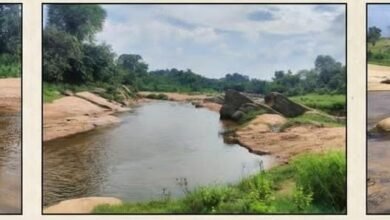
The old and new Palamu forts, particularly the intricately designed Nagpuri Gate, represent architectural excellence and cultural richness. Conservationists stress that preserving these monuments is not only a matter of cultural pride but also a responsibility toward future generations. The region’s natural attractions are equally impressive. The forests and hills of Palamu leave a lasting impression on visitors, many of whom express surprise at the region’s unexplored beauty. The Betla National Park, one of India’s early tiger reserves, offers rich biodiversity and dense forest landscapes. Similarly, Netarhat, popularly known as the “Queen of Chotanagpur,” is renowned for its spectacular sunrise and sunset views that rival many established hill stations. Other scenic locations include Lodh Falls, one of the highest waterfalls in the state, and Sugabandh Dam, both of which possess significant tourism appeal. Proper promotion and development of these destinations could attract large numbers of visitors from across the country. However, a major challenge for tourism in Palamu remains the lack of basic infrastructure. Although road connectivity has improved since Jharkhand became a separate state, easy transport access to major tourist sites is still limited. Directional signage is inadequate, and reliable transport facilities remain scarce. Accommodation facilities are also limited, with only a few hotels and guest houses available. Security concerns after evening hours discourage tourists from staying overnight, further affecting tourism growth. Observers emphasize the need for improved safety arrangements to encourage visitors to explore the region without hesitation. Basic amenities such as drinking water, toilets and resting points are either insufficient or absent at many tourist locations. Without these essential facilities, even domestic tourists face inconvenience, making international tourism a distant goal. Tourism experts suggest that Palamu should be developed as an eco-tourism circuit, combining heritage conservation with sustainable development. Encouraging private investment in heritage hotel projects and tourist infrastructure could accelerate development.
Digital promotion is also considered essential. Bringing Palamu’s scenic and historical attractions onto social media and global tourism platforms through professional marketing could significantly enhance visibility. Local employment generation is another key aspect. Initiatives such as tourist guide training, homestays and promotion of local handicrafts could help integrate local communities into the tourism economy while encouraging them to protect heritage sites. Visual presentation and branding of tourism spots is also needed to highlight Palamu’s unique identity. Iconic visuals such as the Nagpuri Gate of Palamu Fort and wildlife scenes from Betla’s forests could play a major role in attracting visitors. Observers conclude that Palamu division possesses the raw potential of a tourism gem awaiting proper development. With strong policy support and infrastructure investment, the region could emerge as one of Jharkhand’s leading tourism destinations and a prominent name on India’s tourism map.
(The author is a senior journalist and a commentator on political and social issues.)