
Bhang, hashish, and marijuana all come from the same plant, so why do people consider them different? This is the full story of Ananda Kanda.

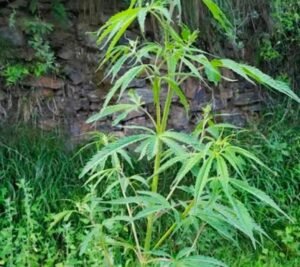
You’ve likely heard of cannabis, hashish, and marijuana—all three. There are many ways to use them in India. Bhang is also considered an offering to Lord Shiva and holds cultural significance during festivals like Holi and Mahashivratri.
Most people think of them as three different things, but the truth is that they all come from the same plant. This plant is Cannabis sativa (or, in India, more commonly, the Cannabis indica subspecies). Yet, why are the names, effects, preparations, and legal status so different? The answer lies in history, botany, and ancient texts, particularly the 12th-13th-century alchemy treatise, Ananda Kanda. Ananda Kanda (Root of Bliss), a vast Sanskrit work containing approximately 6,900 verses, deals with tantric chemistry and yoga. It includes a lengthy chapter on Vijaya (cannabis).
This is the history
This text begins with a mythological tale. During the churning of the ocean, nectar emerged, and some drops of it fell on the earth, giving rise to this plant. It was associated with Shiva and Bhairava. The Ananda Kanda gives the plant several synonyms, such as Vijaya, Jaya, Bhangi, Shivamooli, etc., which reflect its properties. The text clearly distinguishes between the two. The product obtained from male plants and pollinated female plants was called bhanga, while the product obtained from unpollinated female plants was called ganja. This distinction is based on the plant’s sex, pollination conditions, and effects. The Ananda Kanda also describes its cultivation, purification (purification), medicinal uses, side effects, and antidotes in detail. This shows that cannabis was not considered a uniform substance in ancient India. Distinctions were made based on its composition, preparation, and effects. Modern understandings also follow this trend, although legal definitions differ. What are the key differences?
Bhang is primarily made from the plant’s leaves (and sometimes seeds). It is ground and consumed as a paste or beverage. It contains relatively low amounts of THC (a psychoactive compound), so the effect is considered mild. The NDPS Act of 1985 excludes the leaves and seeds from the definition of “cannabis.” Therefore, the sale of cannabis under license is legal in many states. Culturally, it has been associated with Shiva devotion, sadhus and sanyasis, and festivals. Ganja comes from the dried flowering tops of the plant, especially from seedless female plants. It contains more resin and a higher THC content. The effect is relatively sharp and intense. Ganja was associated with this unpollinated female plant in Ananda Kanda. Today, ganja is banned under the NDPS Act. Charas, on the other hand, refers to the resin extracted from the plant. It is prepared by rubbing or collecting the flowers and tops of fresh plants. It is the most concentrated and potent form of the three. Charas is also completely banned by law. These differences often lead people to confuse them.